








This site has limited support for your browser. We recommend switching to Edge, Chrome, Safari, or Firefox.
Other Ingredients
Alpha Lipoic Acid

Alpha lipoic acid is an antioxidant that supports the longevity of the mitochondria, our cellular energy powerhouse. It pairs well with Coq10 in AG1 to promote healthy aging.*

Artichoke

Artichoke leaf helps promote the bioavailability of certain ingredients by supporting digestion. Artichoke leaf helps to stimulate bile release, which aids in the absorption of fat soluble vitamins and phytonutrients.*

Astragalus

Astragalus is an adaptogen that acts in synergy with the immune supportive ingredients in AG1 to support vitality.*

Beta Glucans

Beta glucans are prebiotic fibers – in combination with inulin and apple fiber, they support gut health by feeding the growth of beneficial microbes.*

Bladderwrack Whole Plant Powder

A type of brown seaweed found along the coasts of the North Atlantic and Pacific Oceans. It naturally contains iodine, polyphenols, and fucoidans, which support thyroid health and metabolism.

  • Key Benefits: Supplies iodine, an essential mineral needed for normal thyroid hormone production and energy regulation, supporting healthy metabolic activity and energy use throughout the body. Additionally, it provides polyphenols and fucoidans with antioxidant properties that contribute to overall wellness.
  • Ingredient Focus: While the iodine content of natural bladderwrack varies by harvest location and season, the use of standardized extracts ensures a consistent and reliable delivery of iodine.
Broccoli

Broccoli provides a source of nutrients that are foundational for the body, including sulfur-containing phytonutrients.*

Burdock Root

Burdock root contains bitter compounds that promote digestion and support nutrient absorption.*

Calcium

Calcium Carbonate
Calcium carbonate has the highest amount of elemental calcium and is combined with two other forms of calcium for nutrient absorption.*

Calcium Citrate
Of the three forms of calcium in AG1, Calcium citrate supports bioavailability and proper digestion.*

Calcium Phosphate
Calcium phosphate is a partially metabolized form of calcium that has been bound with phosphorus. It is the main form of calcium in bones and teeth.

Chlorella

Chlorella is a superfood recognized for its nutrient density and, of course, its chlorophyll content.

Chromium Picolinate

Chromium picolinate is the most bioavailable form of chromium, an essential foundational nutrient to support a healthy metabolism.*

  • AMOUNT PER SERVING : 25mcg
  • %DV : 71%
Citric Acid

Citric acid enhances absorption of calcium, phosphorus, and magnesium. Because of its antioxidant properties, it also helps preserve the whole foods in AG1.*

Copper

Copper supports the replenishment of foundational nutrients in the body. It is an essential mineral used by the body for energy production and supporting skin, neurological, and cardiovascular health. Paired with zinc, copper helps balance the optimal absorption of both nutrients. Copper and zinc are also components of superoxide dismutase, an important antioxidant enzyme utilized by the immune system.*

  • AMOUNT PER SERVING : 195mcg
  • %DV : 22%
Dandelion Root

Dandelion root is a leafy vegetable with bitter compounds that help soothe the stomach and support the secretion of digestive enzymes.*

Goji Berry

Lycium berry, aka goji berry, provides a source of micro- and phytonutrients that are foundational for the body, like vitamin C.*

Green Tea

Green tea extract provides antioxidants that support various systems in the body.*

Hawthorn Berry

Hawthorn berries contain micronutrients such as vitamin C and phytonutrients, supporting various systems in the body.*

Manganese

Manganese is an important trace mineral required for all living organisms. It has been studied for its role in cellular health, the production of energy, and support of healthy bones.*

  • AMOUNT PER SERVING: 400mcg
  • %DV: 17%
Milk Thistle

Milk thistle is a source of phytonutrients, like silymarin. It’s known to help defend against environmental stress.*

Pea Protein

Pea protein contains essential amino acids and is used in AG1 to support bioavailability by helping transport nutrients across the gut barrier.*

パイナップル

パイナップル(Ananas comosus)は、ビタミンC、マンガン、抗酸化物質、そして特にブロメラインと呼ばれるタンパク質分解酵素を豊富に含む熱帯の果物です。これらの成分は、消化の促進、免疫機能の維持、そして全体的な健康維持に寄与します。

Policosanol

Policosanol is a plant-based compound that serves as a source of phytonutrients to support the systems of the body.*

Potassium

Potassium phosphate is a vital mineral and electrolyte that’s found naturally in many fruits and vegetables in AG1.

  • AMOUNT PER SERVING: 300mg
  • %DV: 6%
Rose Hips

Rose hips provide a source of phytonutrients that are foundational for the body, like vitamin C.*

Rosemary

Rosemary is an herb that works synergistically with bioflavonoids for enhanced skin health benefits.*

Selenium

Selenium is a trace mineral that's critical to support the body's antioxidant defense systems.*

  • AMOUNT PER SERVING : 20mcg
  • %DV: 36%
Slippery Elm

Slippery elm bark is a digestive supporting herb, with naturally occurring mucilage, known to soothe the gut lining.*

Sodium

Sodium is a vital mineral and electrolyte found naturally in many fruits and vegetables in AG1.*

  • AMOUNT PER SERVING: 45mg
  • %DV: 2%
Spinach

Spinach is a source of both micro- and phytonutrients that are foundational to the body, like calcium and magnesium.*

Stevia

The stevia in AG1 is a pure extract from the stevia rebaudiana leaf. It does not have an impact on blood sugar.*

Vitamin C

Vitamin C is a powerful antioxidant that helps combat oxidative stress in skin cells and helps combat visible signs of aging. It also works together with vitamin E to support immune system defense.*

  • AMOUNT PER SERVING : 420mg
  • %DV : 467%

1日で30種類の植物を食べる方法

「週に30種類の植物を食べる」という腸内環境のための食習慣を、1日の食事プランで実践する方法を紹介。植物の多様性が大切な理由や、毎日続けるコツ、AG1の役割についてもわかりやすく解説します。

7 min read

1日で30種類の植物を食べる方法

科学監修:Evan Lynch

「週に30種類の植物を食べると腸に良い」と聞いたことはありませんか?

一見ハードルが高く感じますが、実は食材の組み合わせを少し工夫するだけで、1日の食事でも30種類以上の植物性食品を取り入れることは可能です✨

この記事では、30種類以上の植物を取り入れられる1日の食事プランを紹介するとともに、植物の「量」だけでなく「種類」が重要な理由や、無理なく続けるコツについて解説します。

目次

  1.  30種類以上の植物を食べられる1日の食事プラン

  2.  植物は「量」より「種類」が大切な理由

  3.  植物中心の食生活におけるAG1の役割

  4.  30種類の植物を無理なく続けるコツ


この記事のポイント

  1. 週30種類以上の植物を食べる人は、腸内細菌叢の多様性が高いことが報告されています。
  2. 植物は「量」だけでなく「種類」を増やすことが大切です。
  3. 豆類、ナッツ、種子類、ハーブ、スパイスも植物の種類として数えられます。
  4. 身近な食材を組み合わせれば、1日で30種類以上の植物を取り入れることも可能です。
  5. 種子類の常備やミックスサラダの活用など、小さな工夫が継続のポイントになります。


30種類以上の植物を食べられる1日の食事プラン

この食事プランの魅力は、特別な食材を用意する必要がないことです。

身近な食材を組み合わせるだけで、1日を通して30種類以上の植物性食品を取り入れることができます🌿

それでは、朝から夜まで順番に見ていきましょう。

朝食前:AG1(1種類)

AG1は、ビタミンやミネラルに加え、スピルリナやクロレラ、小麦若葉など、植物由来の栄養素を含む栄養補助食品です。

ここでは、植物性食品の1種類として数えます。

飲み方

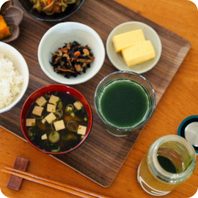
  • AG1を1袋、冷たい水250mLに溶かして飲みます。


朝食:オートミール(5種類)

  • オーツ麦
  • チアシード
  • フラックスシード(亜麻仁)
  • ひまわりの種
  • かぼちゃの種

💡 チアシードやフラックスシードなどの種子類は、加熱後に加えることで含まれる脂質を保ちやすくなります。


朝食後:スムージー(5種類)

  • ブルーベリー
  • いちご
  • バナナ
  • オレンジジュース
  • ヘンププロテイン

冷凍したフルーツを使うと、よりなめらかな食感になります。

また、オレンジジュースを加えることで、砂糖を使わなくても自然な甘みを楽しめます。

昼食:サラダボウル(8種類)

  • ルッコラ
  • ほうれん草
  • ロメインレタス
  • クレソン
  • トマト
  • 赤パプリカ
  • 黄パプリカ
  • ひよこ豆

たんぱく質としてグリルチキンを添え、オリーブオイルとレモン汁を合わせたシンプルなドレッシングでいただきます。


間食(4種類)

  • りんご
  • キウイ
  • くるみ
  • アーモンド

果物とナッツを組み合わせることで、植物性食品の種類を増やしながら、満足感も得られます🥜


夕食:野菜と豆腐のカレー(7種類+スパイス)

  • レッドキドニービーンズ
  • ピントビーンズ
  • 豆腐
  • さやいんげん
  • にんじん
  • 玉ねぎ

使用するスパイス

  • ターメリック
  • クミン
  • コリアンダー
  • ガラムマサラ

スパイスもそれぞれ異なる植物として数えられます。そのため、カレーは植物の種類を効率よく増やせるメニューの一つです。


植物は「量」より「種類」が大切な理由

植物性食品には、それぞれ異なる種類の食物繊維やポリフェノール、ファイトケミカル(植物由来成分)が含まれています。

腸内細菌もそれぞれ好む栄養源が異なるため、多様な植物性食品を摂ることで、より多くの種類の腸内細菌をサポートできると考えられています。

そのため、1種類の食品から30gの食物繊維を摂るよりも、さまざまな植物性食品から食物繊維を摂ることが大切です。

この食事プランでは、推定約38gの食物繊維を摂取できます。これは一般的な目安とされる1日25〜30gを上回る量です。

また、食物繊維は次のような幅広い食品から摂ることができます。

  • 全粒穀物
  • 豆類
  • ナッツ
  • 種子類
  • 果物
  • 野菜

さらに、ハーブやスパイスも植物性食品に含まれます。

例えば、ターメリック、クミン、コリアンダーなどは、それぞれ異なる植物です。毎日の料理に取り入れるだけでも、植物の種類を自然に増やすことができます。

この食事プランで取り入れられる植物性食品

  • 30種類以上の植物性食品
  • 食物繊維 約38g(推定)
  • 6種類以上の食品カテゴリー(全粒穀物、豆類、ナッツ、種子類、果物、野菜)


植物中心の食生活におけるAG1の役割

この食事プランでは、1日のスタートにAG1を取り入れています。

AG1には、ビタミンやミネラルに加え、スピルリナやクロレラ、小麦若葉など、植物由来の栄養素が配合されています。

一方で、AG1は食物繊維を補うことを目的とした製品ではありません。

植物由来の食品をバランスよく取り入れる食生活を基本としながら、不足しやすい栄養素を補う毎日の栄養習慣として活用できます。

朝に冷たい水250mLへ溶かして飲むだけなので、その後の食事にも自然につなげやすいでしょう。

植物性食品を増やすことと、必要な栄養素を毎日補うことは、それぞれ異なる役割を持っています。どちらも継続することで、バランスのよい食生活をサポートできます。


30種類の植物を無理なく続けるコツ

週に30種類の植物を目指すと聞くと、大変そうに感じるかもしれません。

しかし、少し工夫するだけで、毎日の食事に無理なく取り入れることができます。

🌾 種子類をミックスして常備する

チアシードやフラックスシード、ひまわりの種、かぼちゃの種などを混ぜて保存しておけば、オートミールやスープ、サラダ、ヨーグルトにさっと加えられます。

毎日の食事に、数種類の植物を手軽にプラスできます。

🥗 ミックスサラダを活用する

ルッコラ、ほうれん草、クレソン、ロメインレタスなどが入った市販のミックスサラダを選べば、一度に複数の植物性食品を取り入れられます。

🫘 豆は2種類以上組み合わせる

カレーやスープ、煮込み料理では、1種類ではなく2種類の豆を使ってみましょう。

例えば、レッドキドニービーンズとピントビーンズ、またはブラックビーンズと白いんげん豆などを組み合わせることで、植物の種類を自然に増やせます。

🌿 スパイスも忘れずに数える

ターメリック、クミン、コリアンダー、ガラムマサラ、チリパウダーなどのスパイスも、それぞれ異なる植物です。

カレー1皿だけでも、複数の植物性食品を追加できます。

🥤 スムージーを上手に活用する

フルーツを3〜4種類と植物性プロテインを組み合わせれば、朝のうちに5種類前後の植物性食品を取り入れることもできます。

✨ 朝はAG1から始める

朝食前にAG1を飲むことで、毎日の栄養習慣を始めやすくなります。

その後の食事で、さまざまな植物性食品を取り入れる食生活につなげていきましょう。


FAQ

質問 専門家による回答
「週30種類の植物」とは何を数えますか? 野菜、果物、全粒穀物、豆類、ナッツ、種子類、ハーブ、スパイスなど、植物由来の食品が対象です。それぞれ異なる種類ごとに数えます。例えば、ほうれん草とルッコラ、ひよこ豆とレッドキドニービーンズは、それぞれ別の植物として数えられます。
週30種類の植物を食べるのは現実的ですか? はい。工夫次第では、1日の食事だけで30種類以上の植物性食品を取り入れることも可能です。ミックスサラダや種子類、複数の豆を組み合わせるなど、小さな工夫を積み重ねることがポイントです。
30種類の植物を食べると腸内環境は改善しますか? American Gut Projectの解析では、週30種類以上の植物を食べる人は、10種類以下の人と比べて腸内細菌叢(マイクロバイオーム)の多様性が高いことが報告されています。腸内細菌の多様性は、消化機能や免疫機能などとの関連が示されていますが、健康状態は食事だけでなく生活習慣全体の影響も受けます。
ハーブやスパイスも30種類に含まれますか? はい。ハーブやスパイスもそれぞれ独立した植物として数えられます。ターメリック、クミン、コリアンダー、ガラムマサラなども植物の種類を増やすのに役立ちます。
30種類の植物と食物繊維にはどのような関係がありますか? 植物性食品には食物繊維が含まれるものが多く、植物の種類が増えると、自然と食物繊維の摂取量も増えやすくなります。また、植物ごとに含まれる食物繊維の種類が異なるため、多様な植物を食べることが腸内細菌の多様性を支えることにつながると考えられています。

Reviewed and written by

エヴァン・リンチ、理学修士Reviewed by

理学修士(スポーツ栄養学)、州認定栄養コンサルタント

エヴァン・リンチは、食品科学と健康の学士号、栄養学の大学院修了証、 スポーツ栄養学の修士号を持つ栄養士です。AG1のヨーロッパ栄養部門責任者として、栄養、教育、エビデンスに基づいたコミュニケーションの戦略的方向性を担っています。 また、自身の診療所も経営しており、スポーツ栄養、消化器疾患、高齢者の栄養、 体重管理などについてクライアントにアドバイスを提供しています。