

This site has limited support for your browser. We recommend switching to Edge, Chrome, Safari, or Firefox.
Other Ingredients
Alpha Lipoic Acid

Alpha lipoic acid is an antioxidant that supports the longevity of the mitochondria, our cellular energy powerhouse. It pairs well with Coq10 in AG1 to promote healthy aging.*

Artichoke

Artichoke leaf helps promote the bioavailability of certain ingredients by supporting digestion. Artichoke leaf helps to stimulate bile release, which aids in the absorption of fat soluble vitamins and phytonutrients.*

Astragalus

Astragalus is an adaptogen that acts in synergy with the immune supportive ingredients in AG1 to support vitality.*

Beta Glucans

Beta glucans are prebiotic fibers – in combination with inulin and apple fiber, they support gut health by feeding the growth of beneficial microbes.*

Bladderwrack Whole Plant Powder

A type of brown seaweed found along the coasts of the North Atlantic and Pacific Oceans. It naturally contains iodine, polyphenols, and fucoidans, which support thyroid health and metabolism.

  • Key Benefits: Supplies iodine, an essential mineral needed for normal thyroid hormone production and energy regulation, supporting healthy metabolic activity and energy use throughout the body. Additionally, it provides polyphenols and fucoidans with antioxidant properties that contribute to overall wellness.
  • Ingredient Focus: While the iodine content of natural bladderwrack varies by harvest location and season, the use of standardized extracts ensures a consistent and reliable delivery of iodine.
Broccoli

Broccoli provides a source of nutrients that are foundational for the body, including sulfur-containing phytonutrients.*

Burdock Root

Burdock root contains bitter compounds that promote digestion and support nutrient absorption.*

Calcium

Calcium Carbonate
Calcium carbonate has the highest amount of elemental calcium and is combined with two other forms of calcium for nutrient absorption.*

Calcium Citrate
Of the three forms of calcium in AG1, Calcium citrate supports bioavailability and proper digestion.*

Calcium Phosphate
Calcium phosphate is a partially metabolized form of calcium that has been bound with phosphorus. It is the main form of calcium in bones and teeth.

Chlorella

Chlorella is a superfood recognized for its nutrient density and, of course, its chlorophyll content.

Chromium Picolinate

Chromium picolinate is the most bioavailable form of chromium, an essential foundational nutrient to support a healthy metabolism.*

  • AMOUNT PER SERVING : 25mcg
  • %DV : 71%
Citric Acid

Citric acid enhances absorption of calcium, phosphorus, and magnesium. Because of its antioxidant properties, it also helps preserve the whole foods in AG1.*

Copper

Copper supports the replenishment of foundational nutrients in the body. It is an essential mineral used by the body for energy production and supporting skin, neurological, and cardiovascular health. Paired with zinc, copper helps balance the optimal absorption of both nutrients. Copper and zinc are also components of superoxide dismutase, an important antioxidant enzyme utilized by the immune system.*

  • AMOUNT PER SERVING : 195mcg
  • %DV : 22%
Dandelion Root

Dandelion root is a leafy vegetable with bitter compounds that help soothe the stomach and support the secretion of digestive enzymes.*

Goji Berry

Lycium berry, aka goji berry, provides a source of micro- and phytonutrients that are foundational for the body, like vitamin C.*

Green Tea

Green tea extract provides antioxidants that support various systems in the body.*

Hawthorn Berry

Hawthorn berries contain micronutrients such as vitamin C and phytonutrients, supporting various systems in the body.*

Manganese

Manganese is an important trace mineral required for all living organisms. It has been studied for its role in cellular health, the production of energy, and support of healthy bones.*

  • AMOUNT PER SERVING: 400mcg
  • %DV: 17%
Milk Thistle

Milk thistle is a source of phytonutrients, like silymarin. It’s known to help defend against environmental stress.*

Pea Protein

Pea protein contains essential amino acids and is used in AG1 to support bioavailability by helping transport nutrients across the gut barrier.*

パイナップル

パイナップル(Ananas comosus)は、ビタミンC、マンガン、抗酸化物質、そして特にブロメラインと呼ばれるタンパク質分解酵素を豊富に含む熱帯の果物です。これらの成分は、消化の促進、免疫機能の維持、そして全体的な健康維持に寄与します。

Policosanol

Policosanol is a plant-based compound that serves as a source of phytonutrients to support the systems of the body.*

Potassium

Potassium phosphate is a vital mineral and electrolyte that’s found naturally in many fruits and vegetables in AG1.

  • AMOUNT PER SERVING: 300mg
  • %DV: 6%
Rose Hips

Rose hips provide a source of phytonutrients that are foundational for the body, like vitamin C.*

Rosemary

Rosemary is an herb that works synergistically with bioflavonoids for enhanced skin health benefits.*

Selenium

Selenium is a trace mineral that's critical to support the body's antioxidant defense systems.*

  • AMOUNT PER SERVING : 20mcg
  • %DV: 36%
Slippery Elm

Slippery elm bark is a digestive supporting herb, with naturally occurring mucilage, known to soothe the gut lining.*

Sodium

Sodium is a vital mineral and electrolyte found naturally in many fruits and vegetables in AG1.*

  • AMOUNT PER SERVING: 45mg
  • %DV: 2%
Spinach

Spinach is a source of both micro- and phytonutrients that are foundational to the body, like calcium and magnesium.*

Stevia

The stevia in AG1 is a pure extract from the stevia rebaudiana leaf. It does not have an impact on blood sugar.*

Vitamin C

Vitamin C is a powerful antioxidant that helps combat oxidative stress in skin cells and helps combat visible signs of aging. It also works together with vitamin E to support immune system defense.*

  • AMOUNT PER SERVING : 420mg
  • %DV : 467%

ヴィーガンのタンパク質源

植物性中心の食生活でも、十分なタンパク質を摂ることで筋肉をつけ、維持することは可能です。ヴィーガンのタンパク質源や必要量、食事で意識したい栄養素について紹介します。

7 min read

ヴィーガンのタンパク質源

科学監修:エヴァン・リンチ

「筋肉をつけるなら肉を食べる」というイメージを持っている人もいるかもしれません。しかし、植物性食品を中心とした食生活でも、筋肉をつけて維持することは可能です。

大切なのは、タンパク質の総摂取量・質・食事ごとの配分。さらに、植物性中心の食生活では不足しやすい栄養素にも目を向ける必要があります。

この記事では、植物性タンパク質を取り入れながら筋肉づくりをサポートするためのポイントを紹介します。

目次

  1.  肉を食べなくても筋肉はつけられる?

  2.  必要なタンパク質量と植物性食品からの摂り方

  3.  植物性中心の食生活で意識したい4つの栄養素

  4.  まずは食事、必要に応じてサプリメントを

  5.  まとめ

  6.  よくある質問

この記事のポイント

植物性食品でも筋肉はつけられる
十分なタンパク質量を確保すれば、植物性中心の食生活でも筋肉の成長・維持を目指せます。

まずは1日のタンパク質量を確保
筋肉づくりでは「総摂取量 → 質 → 配分 → タイミング」の順に考えましょう。

トレーニングをする人は必要量が増える
目安は1日あたり体重1kgにつき約1.4〜2.0gです。

4つの栄養素にも注目
ビタミンB12・鉄・オメガ3脂肪酸・クレアチンを意識しましょう。

基本は食事、サプリメントは必要に応じて
まずは多様な植物性食品を取り入れ、不足する栄養素を必要に応じて補いましょう。


肉を食べなくても筋肉はつけられる?

結論からいうと、肉を食べなくても筋肉をつけることは可能です。

筋肉にとって重要なのは、アミノ酸が鶏肉から摂られたものか、レンズ豆や豆腐から摂られたものかではありません。

トレーニングによる刺激と、回復・成長に必要な十分な量の良質なタンパク質が重要です。

実際、タンパク質の総摂取量を同程度にそろえ、同じ筋力トレーニングを行った場合、植物性食品中心の食事でも、植物性・動物性食品を組み合わせた食事でも、筋力や筋肉量の増加はおおむね同程度であることが示されています。

ただし、植物性食品の場合は、肉類と比べてタンパク質量やアミノ酸の構成が異なるため、「何を、どのくらい、どのように摂るか」を少し意識することが大切です。


必要なタンパク質量と植物性食品からの摂り方

筋肉をつけたり維持したりするためのタンパク質には、優先順位があります。

① 1日の総摂取量
② タンパク質の質
③ 食事ごとの配分
④ 摂取するタイミング

まず優先したいのは、1日に必要なタンパク質量を確保することです。

① まずは1日の総摂取量

一般的な成人に必要なタンパク質量と、筋力トレーニングを行う人に必要な量は同じではありません。

スポーツ栄養に関する研究では、トレーニングを行う人の場合、回復や筋肉づくりをサポートするために、1日あたり体重1kgにつき約1.4〜2.0gのタンパク質摂取が目安として示されています。

植物性・動物性にかかわらず、まず意識したいのはこの「総量」です。

② 次にタンパク質の質

すべてのタンパク質が同じアミノ酸構成を持っているわけではありません。

植物性タンパク質は食品によって、含まれる必須アミノ酸の種類や量が異なります。特にロイシンは、筋タンパク質の合成に関わる重要なアミノ酸です。

そこで、

🫘 豆類
🌱 大豆製品
🌾 穀類
🥜 ナッツ
🌻 種子類

など、さまざまな食品を組み合わせることがポイントです。

特に、豆腐・テンペ・枝豆などの大豆製品や、大豆・エンドウ豆由来のプロテインはタンパク質を効率よく摂りやすい食品です。

③ 食事ごとに分けて摂る

1日に必要な量を確保できたら、次は食事ごとの配分を意識しましょう。

タンパク質を1回の食事にまとめて摂るのではなく、それぞれの食事でしっかり摂ることがポイントです。

朝・昼・夜など、1日の食事に分けて取り入れてみましょう。

④ タイミングは最後に考える

トレーニング直後の「アナボリックウィンドウ」を気にする人もいますが、タンパク質を摂る正確なタイミングは、総摂取量・質・配分ほど重要ではありません。

まずは、

総摂取量 → 質 → 配分 → タイミング

の順で考えるとよいでしょう。


植物性中心の食生活で意識したい4つの栄養素

植物性中心の食生活ではタンパク質に注目しがちですが、それ以外にも意識したい栄養素があります。

特にチェックしておきたいのが、次の4つです。

💊 ビタミンB12

ビタミンB12は主に動物性食品に含まれているため、完全菜食の場合は、サプリメントやビタミンB12を強化した食品から補う必要があります。

ビタミンB12は、エネルギー代謝や神経機能にも関わる重要な栄養素です。

🩸 鉄

植物性食品にも鉄は含まれていますが、植物性食品に含まれる非ヘム鉄は、肉などに含まれる鉄と比べて吸収されにくい特徴があります。

豆類、レンズ豆、豆腐、色の濃い葉物野菜などの鉄を含む食品を、ビタミンCを含む食品と組み合わせることで、鉄の吸収を高めることができます。

🌿 オメガ3脂肪酸(EPA・DHA)

EPAやDHAなどの長鎖オメガ3脂肪酸は主に脂の多い魚に含まれているため、植物性中心の食生活では摂取量が少なくなりやすい栄養素です。

亜麻仁やチアシードにはALA(α-リノレン酸)が含まれていますが、体内でEPAやDHAに変換される量は限られています。

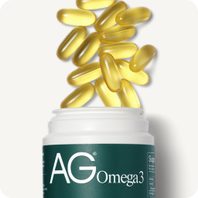
必要に応じて、藻類由来のオメガ3サプリメントを選択肢にすることもできます。

🏋️ クレアチン

クレアチンは肉や魚に自然に含まれているため、これらを食べない人では筋肉中のクレアチン貯蔵量が低い傾向があります。

食事からの摂取量が少ない場合は、クレアチンモノハイドレートを取り入れることで、筋力や瞬発力、高強度運動のパフォーマンスをサポートできる可能性があります。


まずは食事、必要に応じてサプリメントを

植物性中心の食生活だからといって、たくさんのサプリメントを摂る必要があるわけではありません。

まずは、

🥗 さまざまな植物性食品を食べる
🫘 必要なタンパク質量を確保する
🌱 できるだけ多様な食品を取り入れる

ことを意識しましょう。

そのうえで、食事だけでは不足しやすい栄養素を必要に応じて補います。

完全菜食の場合、特にビタミンB12は重要です。また、ハードなトレーニングをする人では、クレアチンや藻類由来のオメガ3脂肪酸も選択肢になります。

鉄については、自己判断でサプリメントを摂るのではなく、特に疲れやすさなどが気になる場合は医師に相談し、必要に応じて検査を受けることも大切です。

サプリメントは、あくまで不足している部分を補うもの。

十分な食事量やタンパク質、多様な食品を摂ることの代わりにはなりません。


まとめ

肉を食べなくても、筋肉をつけて維持することは可能です。

まずは1日に必要なタンパク質量を確保し、大豆製品などの質の高い植物性タンパク質を取り入れながら、食事ごとに分けて摂りましょう。

さらに植物性中心の食生活では、

ビタミンB12・鉄・オメガ3脂肪酸・クレアチン

の4つにも目を向けることがポイントです。

まずは食事を整え、そのうえで必要な栄養素をサプリメントで補う、という順番を意識しましょう。


よくある質問

質問 回答
植物性タンパク質とは? 動物ではなく植物由来のタンパク質です。
豆類、豆腐やテンペなどの大豆製品、穀類、ナッツ、種子類、植物由来のプロテインなどがあります。
さまざまな食品を1日の中で取り入れることで、筋肉の成長や回復に必要な必須アミノ酸を摂取できます。
おすすめのヴィーガンタンパク質源は? 豆腐、テンペ、枝豆などの大豆製品は、タンパク質を摂りやすい食品です。
そのほか、レンズ豆、豆類、ひよこ豆、セイタン、大豆・エンドウ豆由来のプロテインなども選択肢になります。
ナッツや種子類、全粒穀物からもタンパク質を補えます。
タンパク質が多い植物性ミルクは? 原文では、豆乳が100mlあたり約3.3gのタンパク質を含み、オーツ・アーモンド・ココナッツ・ライスミルクなどより多いとされています。
エンドウ豆由来のミルクもタンパク質を摂りやすい選択肢です。

Reviewed and written by

エヴァン・リンチ、理学修士Reviewed by

理学修士(スポーツ栄養学)、州認定栄養コンサルタント

エヴァン・リンチは、食品科学と健康の学士号、栄養学の大学院修了証、 スポーツ栄養学の修士号を持つ栄養士です。AG1のヨーロッパ栄養部門責任者として、栄養、教育、エビデンスに基づいたコミュニケーションの戦略的方向性を担っています。 また、自身の診療所も経営しており、スポーツ栄養、消化器疾患、高齢者の栄養、 体重管理などについてクライアントにアドバイスを提供しています。